
We get a lot of calls from people who tried a storage company once, had a bad experience, and almost gave up on the idea entirely. Nine times out of ten, the problem wasn't storage itself — it was a provider who skipped the basics. Here are the warning signs worth watching for before you sign anything.

A bad storage experience usually traces back to one of a handful of avoidable red flags.
- No inventory list or itemised record is the single biggest red flag in storage.
- Vague pricing that changes after pickup is a sign to walk away.
- A facility that won't describe its pest control or security setup is hiding something.
- Slow or unclear retrieval policies turn "safe storage" into a headache when you actually need something back.
- A legitimate provider will have a defined minimum period and clear terms upfront.
Red Flag 1: No Item-Level Inventory
If a provider simply counts boxes instead of logging what's inside them, you have no real way to confirm anything later — whether it's all there, whether something was damaged, or which box actually holds what you need. A proper storage company barcodes or itemises your belongings before they ever leave your home, so you have a record independent of memory or guesswork.
Red Flag 2: Pricing That Isn't Clear Upfront
Storage pricing should be simple to understand before you commit, not something that gets "adjusted" once your items are already in their warehouse. A transparent provider tells you the monthly rate and minimum period clearly — for context, plans can start from as little as Rs 99 per month with a minimum period of 1 month, which gives you a sense of what a fair, upfront structure looks like. If a company is vague about cost until after pickup, that's leverage against you, not in your favour.
Red Flag 3: No Real Answer on Pest Control or Security
Ask directly how a facility handles pest control, fire safety and access security. A company with nothing to hide will answer specifically — fumigation schedules, CCTV coverage, guarded access. Vague reassurance ("don't worry, it's all safe") without specifics is usually a sign the facility hasn't actually invested in these basics.
| Red flag | Why it matters | What to ask instead |
|---|---|---|
| No itemised inventory | No proof of what's stored or its condition | "Is every box individually logged?" |
| Unclear pricing | Costs can change after your items are already there | "What's the monthly rate and minimum period?" |
| Vague on security/pest control | Belongings may be exposed to damage or theft | "Can you describe your pest control and access security?" |
| Slow retrieval process | Defeats the purpose of flexible storage | "How soon can I get an item back once I request it?" |
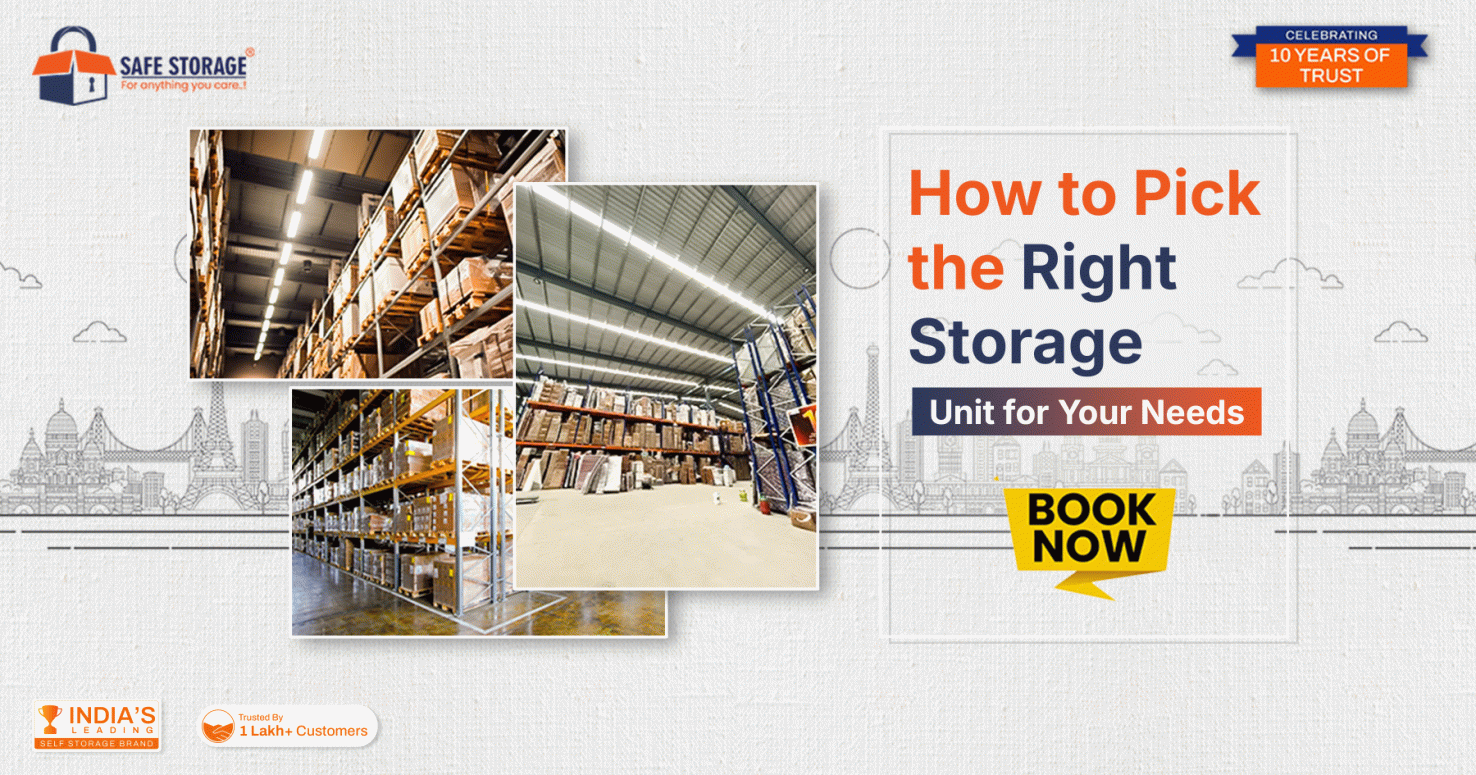
Asking the right questions upfront avoids most of the common storage headaches.
Red Flag 4: Retrieval That Takes Too Long or Costs Extra Surprises
Storage should give you flexibility, not lock your belongings away until it's inconvenient to get them back. If a provider is unclear about how retrieval works, or charges fees that weren't mentioned upfront, that's a sign the convenience you're paying for doesn't actually exist. A reliable company will tell you clearly, before you sign up, how requesting an item back actually works.
Red Flag 5: No Clear Contact or Support Line
If you can't easily reach someone to ask a question before you've even committed, that's a preview of what support will look like once your belongings are already stored. A company worth using makes itself reachable — for reference, our own team can be reached directly at 080888 48484 for exactly these kinds of questions before you decide.
What a Trustworthy Storage Partner Actually Looks Like
Strip away the marketing language and a good storage company comes down to a few unglamorous things: they log what you give them, they're upfront about cost and minimum period, they can describe their security and pest control specifically, and they make retrieval straightforward. None of this is complicated, which is exactly why it's worth checking before you commit rather than discovering the gaps after your belongings are already sitting in someone else's warehouse.
Is it normal for storage pricing to change after pickup?
No — a transparent provider confirms pricing and the minimum period before pickup, not after your items are already in storage.
How can I verify a storage company's security claims?
Ask specific questions about CCTV, access control and pest management rather than accepting general reassurance, and expect specific answers in return.
What should a fair minimum storage period look like?
A clearly stated minimum period, such as one month, with no hidden extension clauses, is a reasonable standard to expect from any provider.
Should I be able to retrieve just one box, not the whole shipment?
Yes — with proper item-level inventory, you should be able to request specific items back without needing to collect everything at once.
Before you commit to any storage company, run through these red flags first. If a provider like SafeStorage answers every one of these questions clearly and upfront, you're in much safer hands than you would be otherwise.

No comments:
Post a Comment